

11
Feb
Prevent Cavities During Invisalign Treatment: Oral Care Tips
Meet Dr. Mamata Ponnaganti
For over two decades, Dr. Mamata Ponnaganti has dedicated herself to helping patients achieve healthy, confident smiles. Trained at Boston University’s Henry M. Goldman School of Dental Medicine, she has advanced expertise in dental implants, laser dentistry, oral sedation, and Six Month Smiles. Dr. Ponnaganti earned her dental doctorate from Boston University’s Goldman School of Dental Medicine and has advanced training in Invisalign. She continually updates her skills through ongoing education and is a member of the ADA, FDA, AACD, and AGD. Outside the office, Dr. Ponnaganti enjoys cooking, gardening, and volunteering at community health and dental camps, a tradition she has proudly continued for more than 15 years.
Introduction
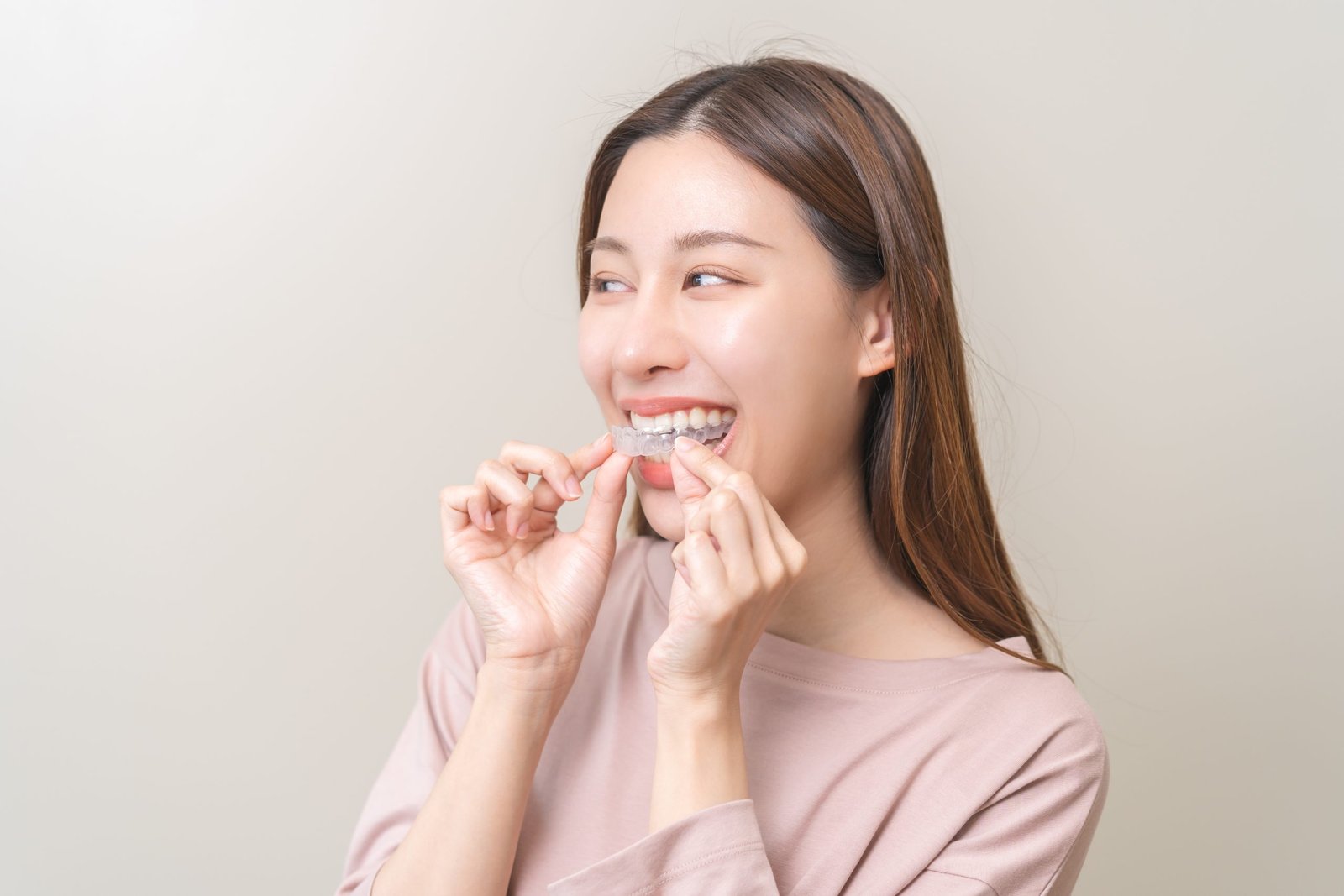
Invisalign treatment is an excellent way to straighten teeth while maintaining a natural look and feel. At Happy Smiles, Invisalign is not just about improving appearance. It is about creating healthy, long-lasting smiles. While aligners make orthodontic care more comfortable and efficient, they also require strong daily oral care habits to prevent cavities.
Unlike traditional approaches, Invisalign treatment at Happy Smiles lets you eat with your aligners on. Chewing forces help guide teeth into position faster, allowing treatment to progress efficiently. Trays are changed every four days, and attachments are placed on every patient starting with the first tray. This advanced approach delivers excellent results, but it also requires taking oral hygiene seriously.
Dr. Mamata Ponnaganti, a Platinum Invisalign Provider at Happy Smiles, believes that straight teeth should also be healthy teeth. This blog explains how cavities can develop during Invisalign treatment. It provides clear, practical tips to protect your teeth throughout the process.
How Invisalign Treatment Works at Happy Smiles
Invisalign treatment at Happy Smiles follows a structured and science-driven plan. Patients wear aligners full-time, including while eating. The pressure created when chewing helps move teeth more efficiently and supports faster alignment. Patients are also guided on daily oral care habits so they can learn how to prevent cavities while progressing through treatment safely and effectively.
Key aspects of treatment include:
- Aligners are worn during meals
- Attachments are placed for every patient from the first tray
- Trays are changed every four days
- Consistent wear supports steady tooth movement
This system allows teeth to move predictably, but it also means teeth and aligners must stay clean to avoid cavities.
Why Cavity Prevention Is So Important During Invisalign
Cavities form when bacteria feed on sugars and produce acid that weakens tooth enamel. When aligners are worn for most of the day, acids can remain in contact with enamel longer if oral hygiene is poor, which is why patients are encouraged todiscover oral care tips for Invisalign early in their treatment journey.
Eating with aligners increases the importance of oral care. Food particles and sugars can be pressed against teeth during meals. If teeth are not cleaned properly, bacteria can thrive in this environment.
Preventing cavities is not about changing the treatment approach. It is about supporting it with good habits that protect enamel and gums.
Attachments and Their Impact on Oral Hygiene
Attachments are small, tooth-colored shapes bonded to the teeth. They help aligners grip the teeth and guide precise movement.
At Happy Smiles, attachments are required for everyone starting with the first tray. This ensures efficient tooth movement and better results.
Attachments add texture to tooth surfaces, making plaque more likely to accumulate if brushing is not thorough. Paying close attention to cleaning around attachments helps prevent cavities and gum irritation.
Brushing Properly Is Essential
Brushing is the most important step in preventing cavities during Invisalign treatment. Because patients wear aligners during meals, brushing removes food residue and bacteria that may be trapped against the teeth, helping patients discover proper Invisalign hygiene techniques that protect their teeth throughout treatment.
Brush your teeth at least twice a day, carefully and as directed by your dental team. Use a soft-bristle toothbrush and fluoride toothpaste.
Focus on:
- Cleaning around attachments
- Brushing along the gumline
- Reaching back teeth, where chewing pressure is strongest
Dr. Mamata Ponnaganti encourages patients to brush with care and patience. Thorough brushing protects enamel and supports faster treatment progress.
Flossing Prevents Hidden Cavities
Flossing removes plaque and food particles from between teeth where toothbrushes cannot reach. These areas are common places for cavities to develop.
Daily flossing is necessary during Invisalign treatment, especially when attachments are present. Clean spaces between teeth allow fluoride to strengthen enamel and reduce the risk of cavities, following Dr. Mamata Ponnaganti’s Invisalign oral hygiene tips to support healthier teeth during treatment.
Skipping flossing may not cause immediate problems, but cavities between teeth often develop quietly and worsen over time.
Keeping Aligners Clean Every Day
Aligners must be cleaned daily to protect both teeth and gums. Since aligners are worn while eating, food residue can remain on them.
Rinse aligners with water throughout the day and clean them at least once daily using a soft toothbrush and lukewarm water. Avoid hot water, as it can distort the trays. Do not use abrasive toothpaste or harsh cleaning products. Scratched aligners can trap bacteria and increase the risk of cavities, which is why patients are advised to prevent tooth decay during Invisalign with Dr. Mamata Ponnaganti through proper aligner care.
Clean aligners support clean teeth and comfortable wear.
Managing Food and Drink While Eating With Aligners
Eating with aligners is an important part of treatment at Happy Smiles. While food choices need not be overly restrictive, awareness is important.
Sticky or sugary foods can increase the risk of cavities if they leave residue on teeth. Drinking water during and after meals helps wash away loose particles.
Maintaining a consistent brushing routine helps keep teeth clean even when wearing aligners during meals.
Understanding Sugar Exposure and Cavities
Sugar feeds the cavity, promoting bacterial growth. When sugar remains on teeth for long periods, enamel can be damaged.
Eating with aligners does not automatically lead to cavities. Managing sugar exposure and cleaning teeth properly prevent problems.
Balanced meals and water intake help protect enamel throughout treatment.
Tray Changes Every Four Days and Oral Health
At Happy Smiles, Invisalign trays are changed every four days. This schedule keeps tooth movement active and consistent.
Frequent tray changes mean aligners must fit clean, healthy teeth. Poor hygiene can cause discomfort and slow progress.
Healthy enamel and gums respond better to orthodontic forces, making treatment smoother and more predictable.
Monitoring Progress and Oral Health Together
Monitoring tray progression is part of Invisalign treatment at Happy Smiles. Dr. Mamata Ponnaganti evaluates both tooth movement and oral health during checkups. Patients should communicate any discomfort, sensitivity, or visible changes in teeth as early evaluation helps prevent cavities and ensures treatment stays on track, following oral care tips for Invisalign patients by Dr. Mamata Ponnaganti.
Preventive care supports uninterrupted progress.
The Role of Saliva and Hydration
Saliva naturally protects teeth by neutralizing acids and washing away bacteria. Drinking enough water supports saliva production and reduces the risk of cavities.
Some patients may notice dry mouth during Invisalign treatment. Staying hydrated improves comfort and oral health.
If dry mouth persists, Dr. Mamata Ponnaganti can recommend additional protective steps.
Retainers and Long-Term Cavity Prevention
After Invisalign treatment, retainers are used to maintain alignment. Retainers must be replaced every year to ensure proper fit and cleanliness. Old retainers can lose shape and harbor bacteria, and yearly replacement supports oral health and long-term treatment success, helping patients prevent tooth decay during Invisalign with Dr. Mamata Ponnaganti.
Dr. Mamata Ponnaganti guides patients on proper retainer care to protect their smiles after treatment.
Teaching Good Oral Care Habits Early
For younger patients, learning proper oral care early improves Invisalign outcomes. Parents should help reinforce brushing, flossing, and aligner cleaning routines.
Consistency builds confidence and responsibility during treatment.
Warning Signs That Need Attention
Contact Happy Smiles if you notice:
- Persistent tooth sensitivity
- White spots on teeth
- Gum swelling or bleeding
- Pain that does not improve
Early care prevents small issues from becoming larger problems.
Frequently Asked Questions
1. Why do patients eat with aligners at Happy Smiles?
Eating with aligners allows chewing forces to assist tooth movement, potentially shortening treatment time.
2. Does eating with aligners increase cavity risk?
It can if oral hygiene is poor. Proper brushing, flossing, and aligner cleaning prevent cavities.
3. Why does everyone need attachments from the first tray?
Attachments improve aligner grip and ensure precise, efficient tooth movement for all patients.
4. How often are Invisalign trays changed?
Trays are changed every four days to maintain consistent and effective tooth movement.
5. Why must retainers be replaced every year?
Yearly replacement ensures proper fit, cleanliness, and long-term alignment stability.
Conclusion
Preventing cavities during Invisalign treatment requires awareness and daily commitment. At Happy Smiles, Dr. Mamata Ponnaganti uses an advanced Invisalign approach that includes eating with aligners, frequent tray changes, and attachments for every patient, allowing patients to find guidance from Dr. Mamata Ponnaganti throughout their treatment journey.
These methods help teeth move faster and shorten treatment time, but they also make oral care essential. Thorough brushing, daily flossing, proper aligner cleaning, and hydration protect teeth throughout treatment.
With consistent habits and professional guidance, patients can complete Invisalign with a smile that is straight, strong, and healthy.
Remember: Clean teeth respond better to treatment. Daily care protects your smile during fast Invisalign progress.
Disclaimer: This blog is for general information only and does not replace professional dental advice. Always follow the personalized recommendations of Dr. Mamata Ponnaganti and the Happy Smiles dental team.

Dr. Mamata Ponnaganti
Dr. Mamata Ponnaganti is a trusted dentist in Tampa, FL, and Clearwater, FL, with over 20 years of dedicated experience. She earned her dental doctorate from Boston University’s Henry M. Goldman School of Dental Medicine and has advanced training in oral sedation, laser dentistry, and dental implants. Dr. Ponnaganti is an active member of the American Dental Association and the Florida Dental Association, among others. Her commitment to personalized patient care and community service, including organizing dental camps for underserved populations, underscores her trustworthiness and passion for improving oral health.