
23
Dec
Ready for Invisalign? Here’s How to Get Started at Happy Smiles
Meet Dr. Mamata Ponnaganti
For over two decades, Dr. Mamata Ponnaganti has dedicated herself to helping patients achieve healthy, confident smiles. Trained at Boston University’s Henry M. Goldman School of Dental Medicine, she has advanced expertise in dental implants, laser dentistry, oral sedation, and Six Month Smiles. Dr. Ponnaganti earned her dental doctorate from Boston University’s Goldman School of Dental Medicine and has advanced training in Invisalign. She continually updates her skills through ongoing education and is a member of the ADA, FDA, AACD, and AGD. Outside the office, Dr. Ponnaganti enjoys cooking, gardening, and volunteering at community health and dental camps, a tradition she has proudly continued for more than 15 years.
Introduction
Choosing Invisalign is a big decision. It is not just about straightening teeth. It is about committing to a process that fits into your daily life and delivers real results. Many patients feel excited but also unsure about where to begin, what the first steps look like, and how the treatment actually works day to day.
At Happy Smiles, Invisalign treatment is designed to be simple, clear, and efficient from the very beginning. Under the guidance of Dr. Mamata Ponnaganti, a Platinum Invisalign Provider, patients receive a structured, start-to-finish plan focused on predictable results and shorter treatment time.
This guide walks you through exactly how to get started with Invisalign at Happy Smiles, what to expect at each stage, and how this approach helps patients move through treatment smoothly and confidently.
Understanding Invisalign Before You Start
Invisalign uses clear aligners to move teeth into better alignment over time, gently. These aligners are custom-made based on detailed digital scans of your mouth, allowing you to learn how your Invisalign plan is customized by Dr. Mamata Ponnaganti from the very beginning. Each tray applies controlled pressure that guides your teeth into their planned positions.
At Happy Smiles, Dr. Mamata Ponnaganti carefully reviews tooth position, bite alignment, spacing, and movement goals before treatment begins. This planning phase is essential because Invisalign works best when every movement is intentional.
Patients often choose Invisalign because the aligners are clear, comfortable, and fit into daily routines without major lifestyle changes.
Step One: Your Invisalign Consultation at Happy Smiles
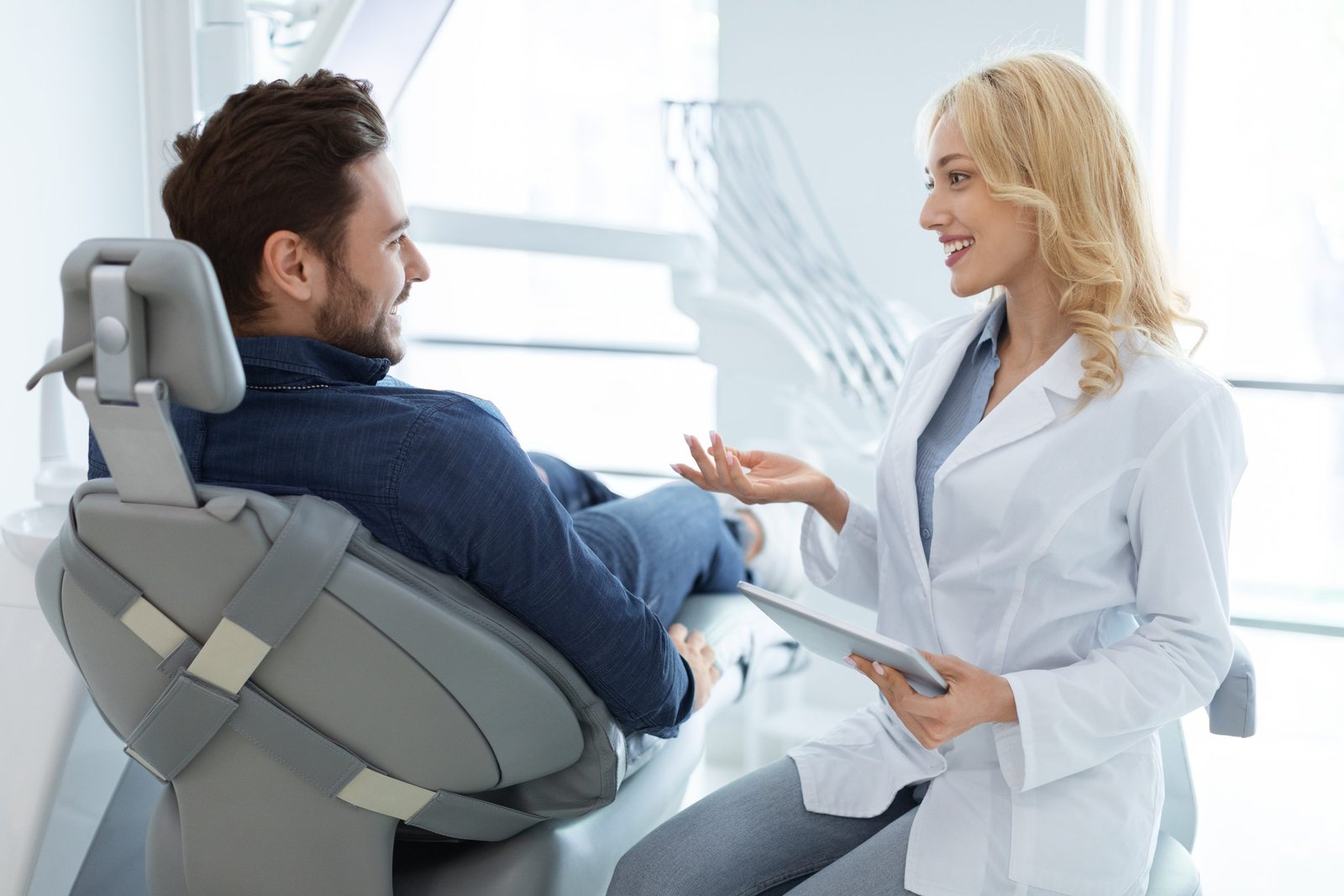
Getting started begins with a consultation. This appointment is about learning, not pressure. Dr. Mamata Ponnaganti evaluates your smile and explains whether Invisalign is the right option for you.
During this visit, digital intraoral scans are taken instead of messy impressions. These scans provide a precise map of your teeth, enabling accurate planning. The scan helps determine how your teeth need to move and how long treatment may take.
You will also have time to ask questions about daily wear, tray changes, attachments, and long-term results, helping you discover how your dentist personalizes Invisalign to match your smile goals. By the end of the visit, you should clearly understand what Invisalign can do for your smile.
Personalized Treatment Planning With Dr. Mamata Ponnaganti
Once you decide to move forward, your Invisalign plan is customized in detail. This step sets Happy Smiles apart. Dr. Mamata Ponnaganti reviews the digital treatment simulation carefully before approving it.
Every patient at Happy Smiles begins treatment with attachments starting from the first tray. Attachments are small tooth colored shapes placed on teeth to help aligners grip and apply precise force, offeringcustom Invisalign treatment planning insights from Dr. Mamata Ponnaganti. Some offices wait or use them selectively. At Happy Smiles, attachments are part of the plan from day one because they help improve the accuracy and speed of tooth movement.
This structured approach supports consistent progress and fewer delays during treatment.
Getting Your First Invisalign Trays
When your aligners arrive, you will come in for a delivery appointment. At this visit, attachments are placed, and your first set of trays is fitted.
Dr. Mamata Ponnaganti and her team make sure the aligners fit properly and feel comfortable. You will be shown how to place and remove them correctly. This is also when instructions for daily wear are reviewed clearly.
Patients are guided through what to expect during the first few days, including mild pressure and adjustment. These sensations are normal and a sign that the aligners are working.
Custom Invisalign treatment by Dr. Mamata Ponnaganti.
Eating With Aligners at Happy Smiles
One of the most important differences at Happy Smiles is the instruction to always eat with the aligners in place.
Eating with aligners is not a mistake or a shortcut. It is intentional. The forces created while chewing help teeth move more efficiently. This added pressure supports faster movement and helps shorten overall treatment time.
Patients are asked to keep the aligners in while eating and remove them only for brushing and oral hygiene. This approach supports consistent wear and reduces unnecessary tray removal.
Dr. Mamata Ponnaganti carefully monitors this method and is part of the reason many patients progress smoothly through treatment.
Learn how your Invisalign plan is customized by Dr. Mamata Ponnaganti.
Tray Changes Every Four Days
Another key part of Invisalign at Happy Smiles is tray progression.
Instead of waiting one or two weeks between trays, patients change aligners every four days. This faster schedule is possible because of careful planning, attachments from the start, and consistent wear.
Patients receive clear instructions on when to switch trays and how to track progress. Monitoring ensures teeth are responding well before moving forward.
This four-day tray change schedule keeps treatment moving efficiently while maintaining safety and predictability.
Monitoring Progress Throughout Treatment
Even with fewer in-office visits, progress is closely monitored. Patients receive multiple trays at a time once treatment is moving smoothly, allowing flexibility without losing oversight.
If trays fit well and teeth are tracking as planned, patients can continue without frequent appointments, helping you discover how your dentist personalizes Invisalign to match your smile goals. If adjustments are needed, Dr. Mamata Ponnaganti steps in early to keep everything on track.
This balance of convenience and professional supervision makes Invisalign easier for busy patients to manage.
Why Attachments Matter for Every Patient
At Happy Smiles, attachments are not optional or delayed. Starting attachments from the first tray ensures consistent force application from the beginning.
Attachments help aligners better control rotation, vertical movement, and spacing. This leads to better results and fewer refinements later.
Patients often worry about visibility, but attachments are small and blend naturally with teeth. Most people do not notice them during everyday conversations.
Retainers and Long-Term Smile Protection
Invisalign does not end when the last tray is completed. Retainers are a critical part of protecting your results.
At Happy Smiles, retainers need to be replaced every year. This is important because retainers wear down over time and may lose effectiveness. Fresh retainers help maintain tooth position and prevent shifting.
Dr. Mamata Ponnaganti emphasizes retention because long-term stability is just as important as the treatment itself.
Why Invisalign at Happy Smiles Is Designed for Efficiency
Patients often ask why Invisalign at Happy Smiles feels different. The answer is structure.
Eating with aligners, attachments from day one, four-day tray changes, and clear monitoring are all part of a system designed to reduce delays and keep treatment moving forward.
Dr. Mamata Ponnaganti uses her experience as a Platinum Invisalign Provider to guide patients through a process that balances comfort, speed, and precision.
Personalized Invisalign treatment explained by Dr. Mamata Ponnaganti.
Who Is a Good Candidate for Invisalign
Many adults and teens are good candidates for Invisalign. Crowding, spacing, bite issues, and alignment concerns can often be addressed with clear aligners.
During your consultation, Dr. Mamata Ponnaganti will explain what Invisalign can realistically achieve for your specific needs. Honest guidance helps patients make confident decisions.
FAQ’s
1. How long does Invisalign treatment take at Happy Smiles
Treatment time varies, but the structured approach at Happy Smiles often helps shorten overall duration. Eating with aligners and four-day tray changes supports efficient movement.
2. Do I really need attachments from the first tray
Yes. At Happy Smiles, attachments are part of every Invisalign plan from the start because they help aligners work more effectively.
3. Is it safe to eat with aligners
Yes. Eating with aligners helps apply additional force that supports tooth movement. Patients are guided on proper hygiene to keep the aligners clean.
Conclusion
Getting started with Invisalign at Happy Smiles is a clear and guided process. From digital scans and personalized planning that help you discover how your dentist personalizes Invisalign to match your smile goals, to eating with aligners and four-day tray changes, every step is designed with purpose.
Dr. Mamata Ponnaganti combines experience, structure, and attention to detail to help patients move through treatment confidently. Invisalign here is not just about straightening teeth. It is about doing it efficiently, predictably, and with long-term success in mind.
If you are ready to improve your smile with a plan that fits your life, Invisalign at Happy Smiles offers a thoughtful and results-driven path forward.
Remember Consistency is the key to Invisalign success. Follow the wear instructions closely to keep your treatment moving forward.
Disclaimer: This blog is for general informational purposes only. Invisalign treatment plans vary based on individual dental needs. Always consult Dr. Mamata Ponnaganti for personalized diagnosis and care recommendations.

Dr. Mamata Ponnaganti
Dr. Mamata Ponnaganti is a trusted dentist in Tampa, FL, and Clearwater, FL, with over 20 years of dedicated experience. She earned her dental doctorate from Boston University’s Henry M. Goldman School of Dental Medicine and has advanced training in oral sedation, laser dentistry, and dental implants. Dr. Ponnaganti is an active member of the American Dental Association and the Florida Dental Association, among others. Her commitment to personalized patient care and community service, including organizing dental camps for underserved populations, underscores her trustworthiness and passion for improving oral health.